
01 · 28 · 08 · 2026 · South of the Expo districtPINNED
Performer
The platform outlined in red looks so fragile—like a footnote to walking on thin ice in life.
Read the note ↘Memoirs of a Chinese restaurateur in Portugal, read through life’s changes and the I Ching.
If you can make ‘creation’ as natural as breathing, it is not because intention is absent; it is because all intention has already dissolved into the breath.Sam Wang
A life told through choices, losses and changes rather than a résumé.
From arriving in Lisbon to the Madrid expansion, family, and the pandemic.
A new digital beginning with XIAOXIONG®.
Photographs and short texts about Lisbon, restaurants, architecture, and the moments that do not fit inside the chapters.
90 translated notes · English editionThe platform outlined in red looks so fragile—like a footnote to walking on thin ice in life.
Read the note ↘
“The oceanarium sheds the bustle of the day and returns to quiet;”
Read the note ↘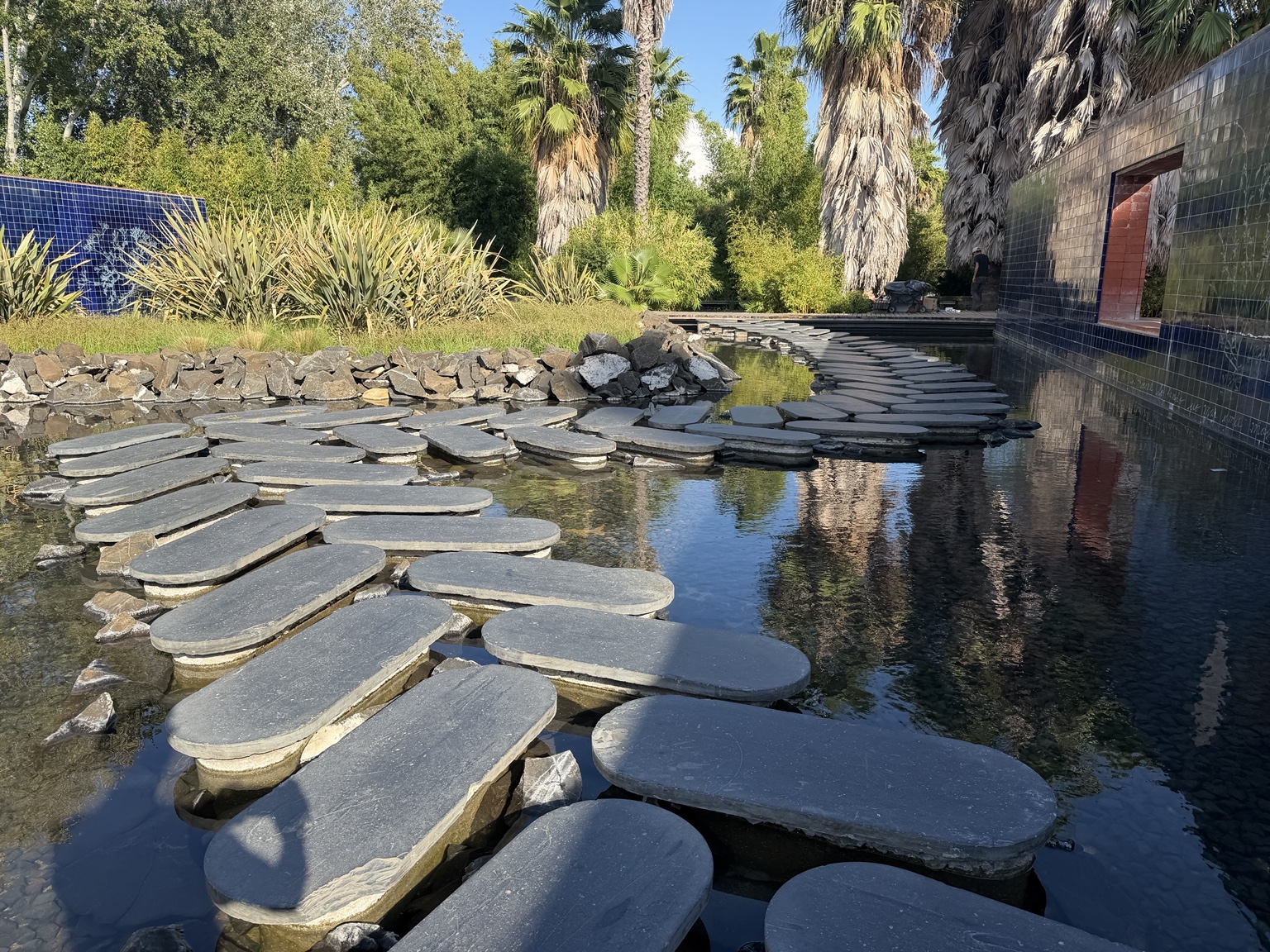
“In the lower-left corner, the shadow holds up a phone;”
Read the note ↘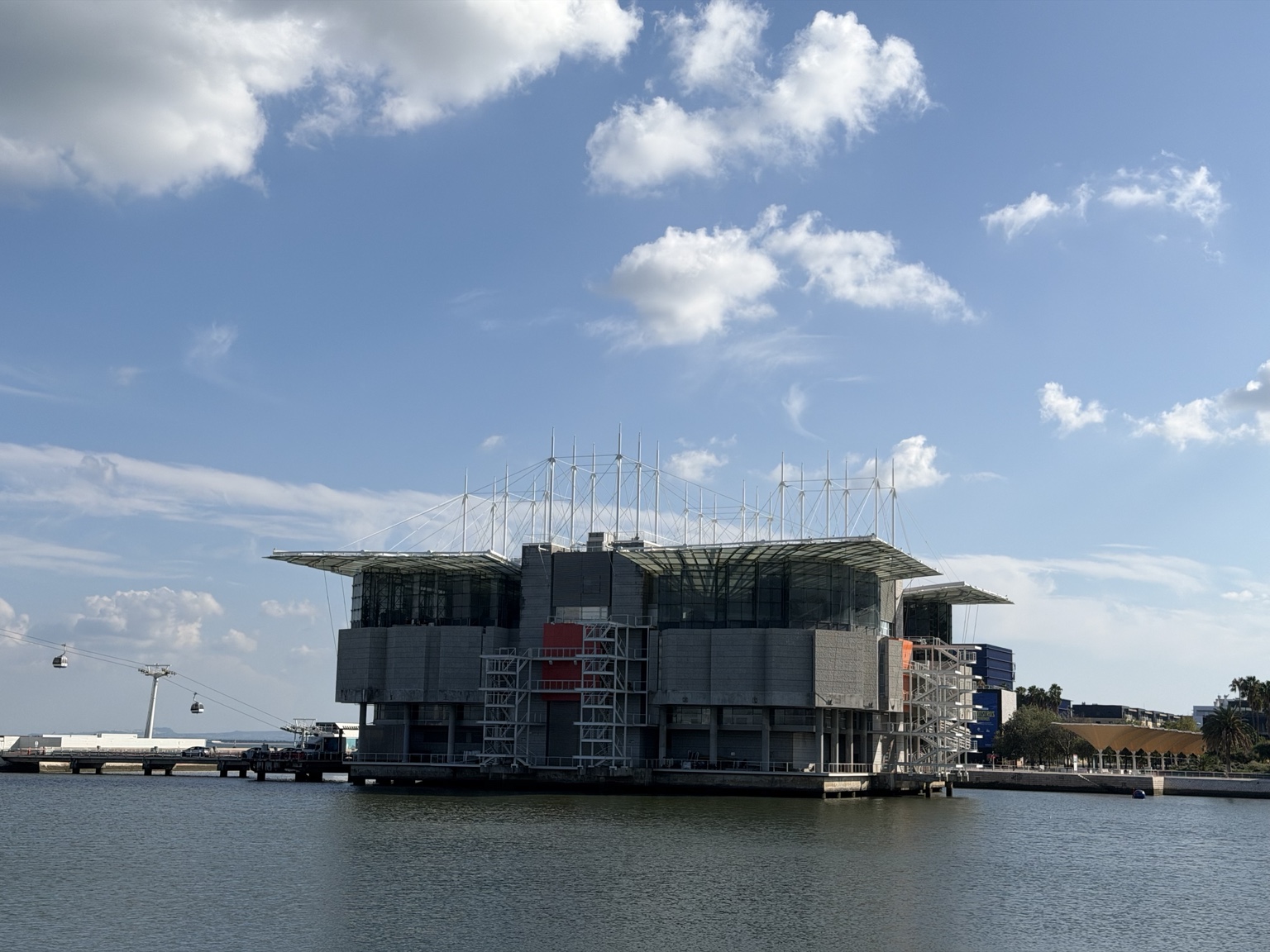
“In the distance, two cable cars glide towards the end of the line;”
Read the note ↘
“Beneath the streetlights, a family passes, seen from behind;”
Read the note ↘
“The sky, so blue;”
Read the note ↘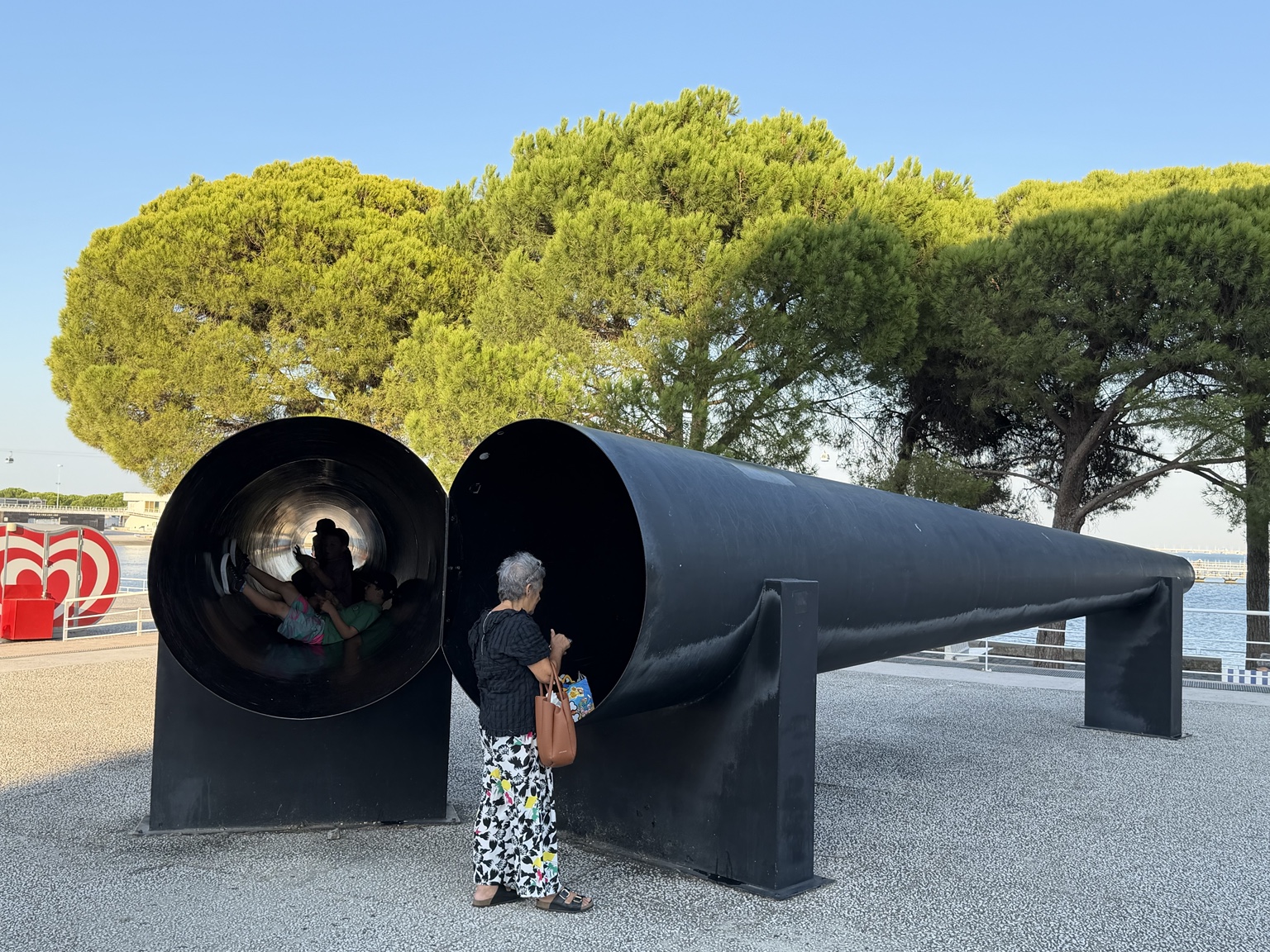
“Horas de chumbo” (“Hours of Lead”): two long iron tubes, wide at one end and narrow at the other, a trace left by Expo ’98.
Inside the tube, several children are lying quite comfortably; at the opening, a grandmother is urging them to go home.
“When we were little, we used to hide in piles of wheat straw;”
Contemplating my life: advancing or retreating.
In Guan, advancing or withdrawing can begin with distinct positions: children inhabit playtime, while the adult watches the time to go home. Lingering and hurrying each have reasons.
The memory of straw brings the author closer to the children without explaining everything they feel. Remembering aids understanding; looking again reveals the differences.
Reading in briefMemory brings us closer; observation preserves difference.The children in the tube recall the author’s own straw piles. Lo Ta-yu’s “童年” meets the feeling of watching children after growing older: the place has changed, but the joy of not wanting play to end remains familiar.
Quality adapts to your connection. You can select HD in the player settings.Player not working? Open the original video ↗No sign-in is needed to leave a thought; the response above is optional.
Hello, I’m Wang Sanxiong — Sam 🤝
The book’s epigraph is my motto, and the starting point for how I understand life, restaurants, and entrepreneurship.
I am a Chinese immigrant living in Portugal, originally from Qingtian, Zhejiang, and a restaurant owner. I love architecture and the history behind it; I love the I Ching, and use Eastern wisdom to interpret the stories hidden behind history.
A battle for small and medium-sized restaurants to reclaim their own customer channels;
XIAOXIONG®; it is not an advertisement in this book. It is proof that, in the second half of life, I am still willing to change.