01 · 28 · 08 · 2026 · South of the Expo districtPINNED
Performer
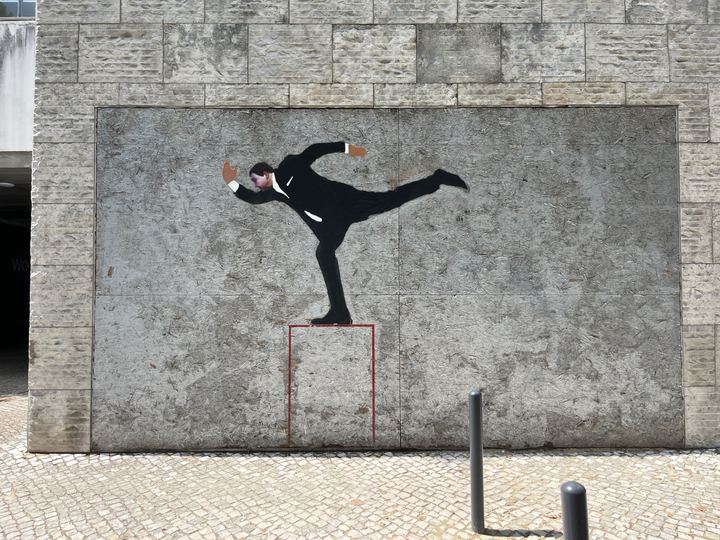
The platform outlined in red looks so fragile—like a footnote to walking on thin ice in life.
Read the note ↘Memoirs of a Chinese restaurateur in Portugal, read through life’s changes and the I Ching.
If you can make ‘creation’ as natural as breathing, it is not because intention is absent; it is because all intention has already dissolved into the breath.Sam Wang
A life told through choices, losses and changes rather than a résumé.
From arriving in Lisbon to the Madrid expansion, family, and the pandemic.
A new digital beginning with XIAOXIONG®.
Photographs and short texts about Lisbon, restaurants, architecture, and the moments that do not fit inside the chapters.
90 translated notes · English editionThe platform outlined in red looks so fragile—like a footnote to walking on thin ice in life.
Read the note ↘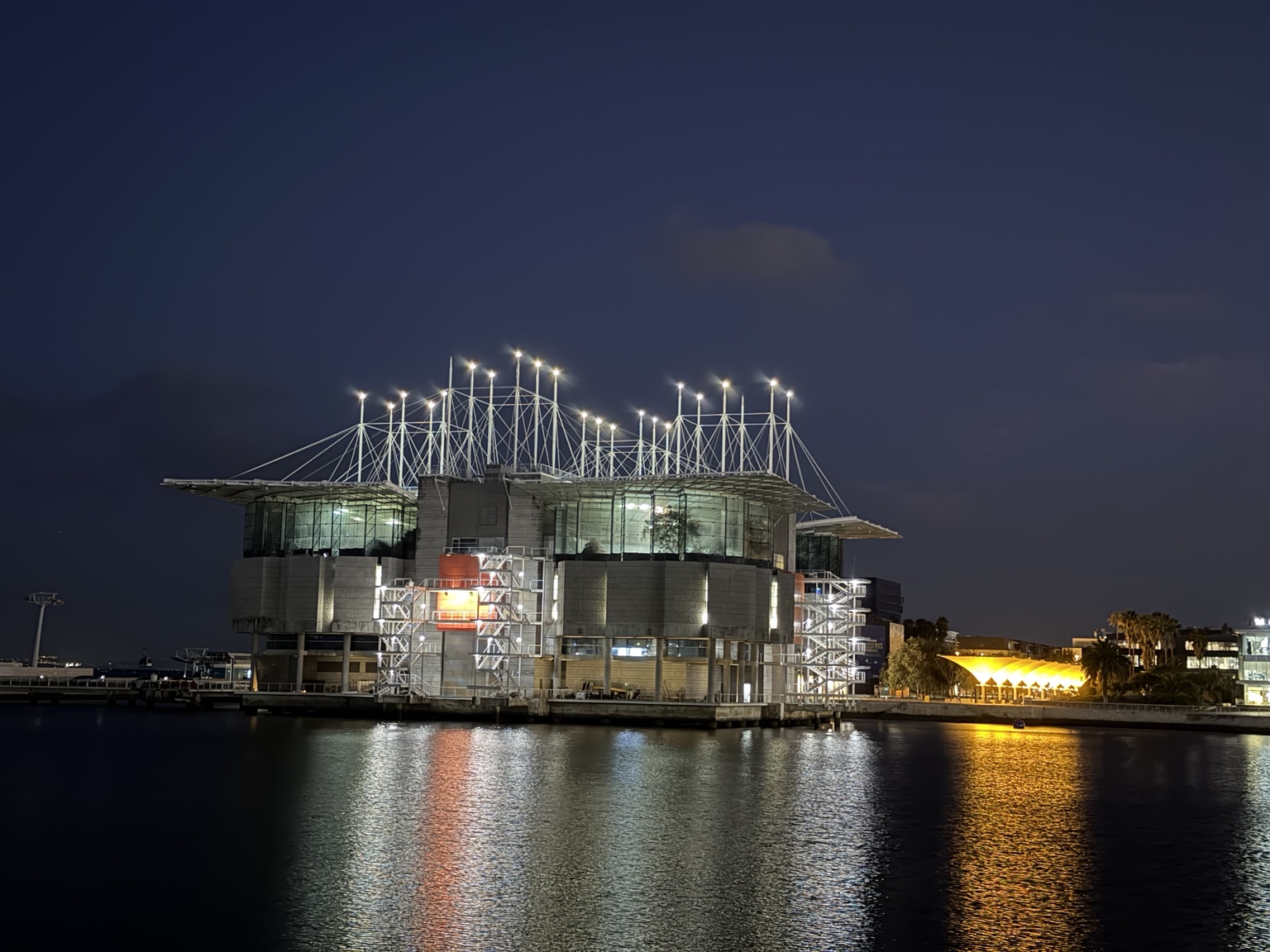
“The oceanarium sheds the bustle of the day and returns to quiet;”
Read the note ↘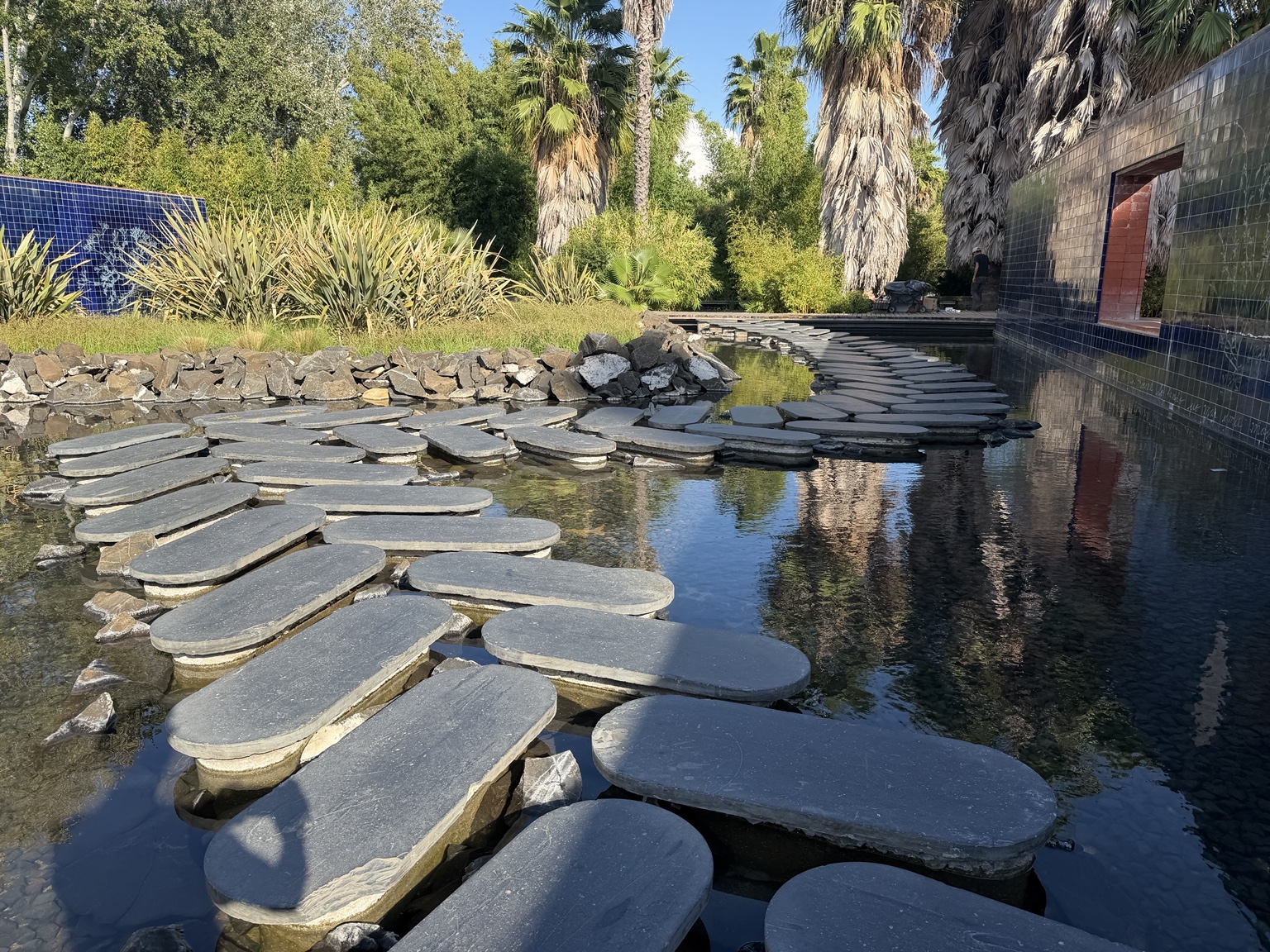
“In the lower-left corner, the shadow holds up a phone;”
Read the note ↘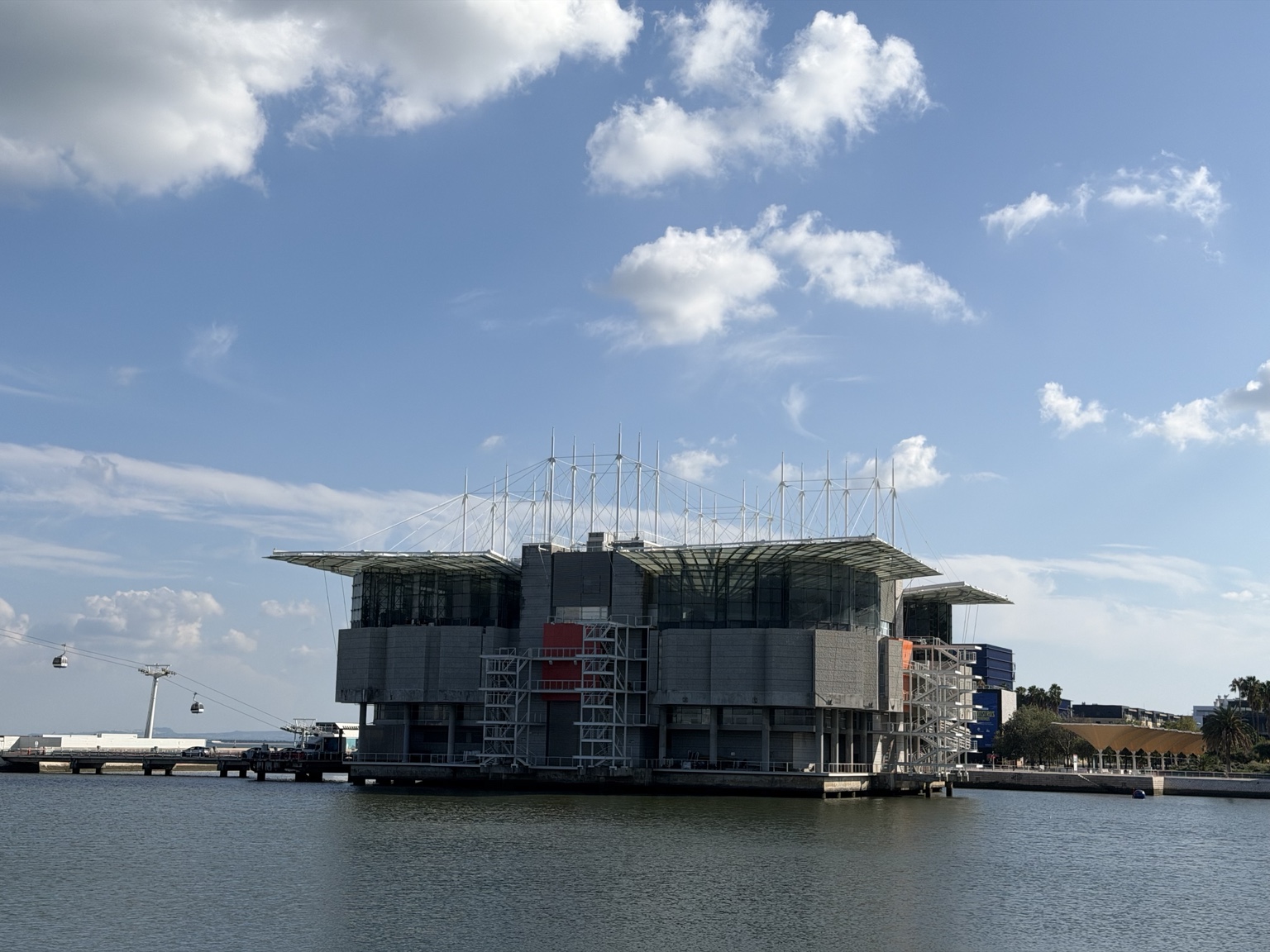
“In the distance, two cable cars glide towards the end of the line;”
Read the note ↘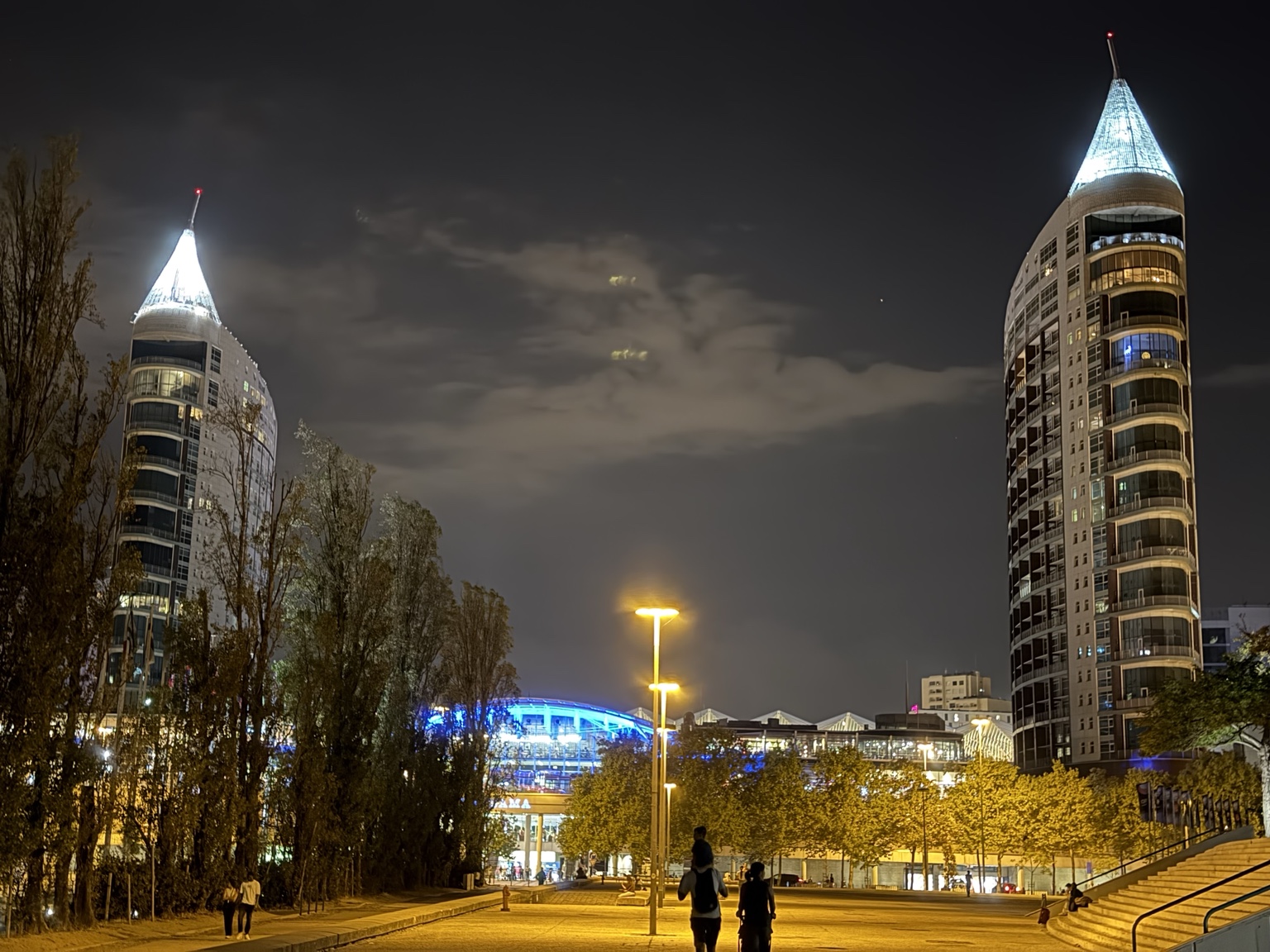
“Beneath the streetlights, a family passes, seen from behind;”
Read the note ↘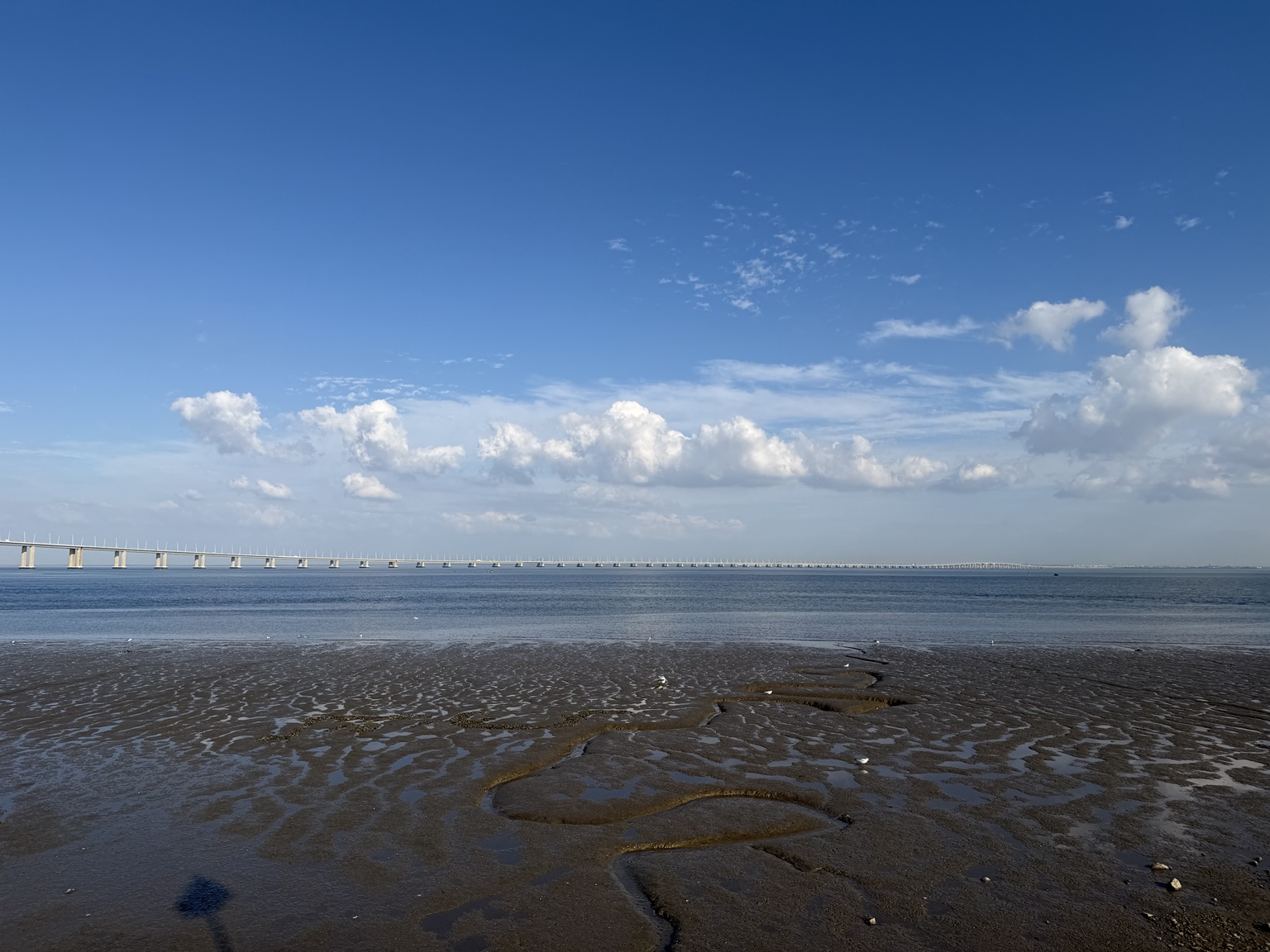
“The sky, so blue;”
Read the note ↘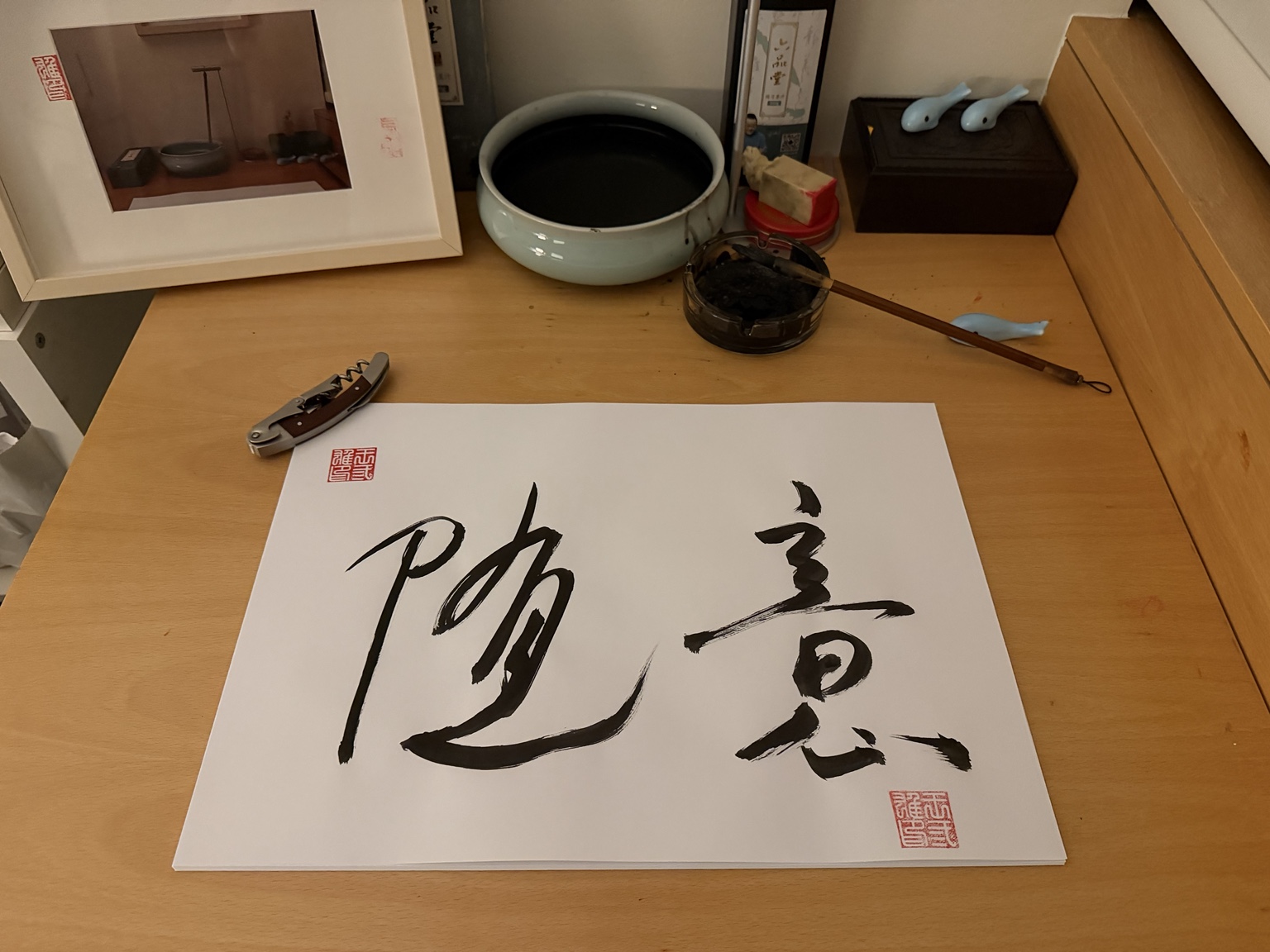
One summer when I was in junior secondary school, I spent the whole holiday writing “Qing Ping Yue · Mount Liupan” on old newspapers—a poem Chairman Mao wrote in 1935.
“He who has not reached the Great Wall is no true hero!”
Forty years later, I pick up the brush again; perhaps it is not even about calligraphy, perhaps it is that little bit of “muscle memory”;
When I was young, I wrote Chairman Mao’s verses because I liked the poem; now I write the two characters “随意”—letting things flow—because they express my state of mind today;
“Let it come naturally; don’t force it;”
In return, do we not glimpse the heart of Heaven and Earth? — Zhou Yi · Fu, Commentary on the Judgment
The Commentary on the Judgment sees renewed life in the return of yang. Applied here to taking up the brush, the question is how something repeatedly practised in the past happens again at a different age. The author says “perhaps” about muscle memory, leaving room for uncertainty; one sheet of calligraphy cannot prove what the body has retained over forty years.
Spending a summer repeating a poem and writing “let things flow” today need not cancel each other out. The ease of this brushstroke may carry traces of that practice. Fu offers a way to think about beginning again without becoming the same adolescent: the hand holds a brush once more, but what it wants to say on the page has changed.
Reading in briefThe hand may know an old path while writing the present.Jiang Yuheng’s “Looking Back Again” accompanies this return to the brush after forty years. The old newspapers remain in memory; the paper before him says “let things flow”.
Quality adapts to your connection. You can select HD in the player settings.Player not working? Open the original video ↗No sign-in is needed to leave a thought; the response above is optional.
Hello, I’m Wang Sanxiong — Sam 🤝
The book’s epigraph is my motto, and the starting point for how I understand life, restaurants, and entrepreneurship.
I am a Chinese immigrant living in Portugal, originally from Qingtian, Zhejiang, and a restaurant owner. I love architecture and the history behind it; I love the I Ching, and use Eastern wisdom to interpret the stories hidden behind history.
A battle for small and medium-sized restaurants to reclaim their own customer channels;
XIAOXIONG®; it is not an advertisement in this book. It is proof that, in the second half of life, I am still willing to change.